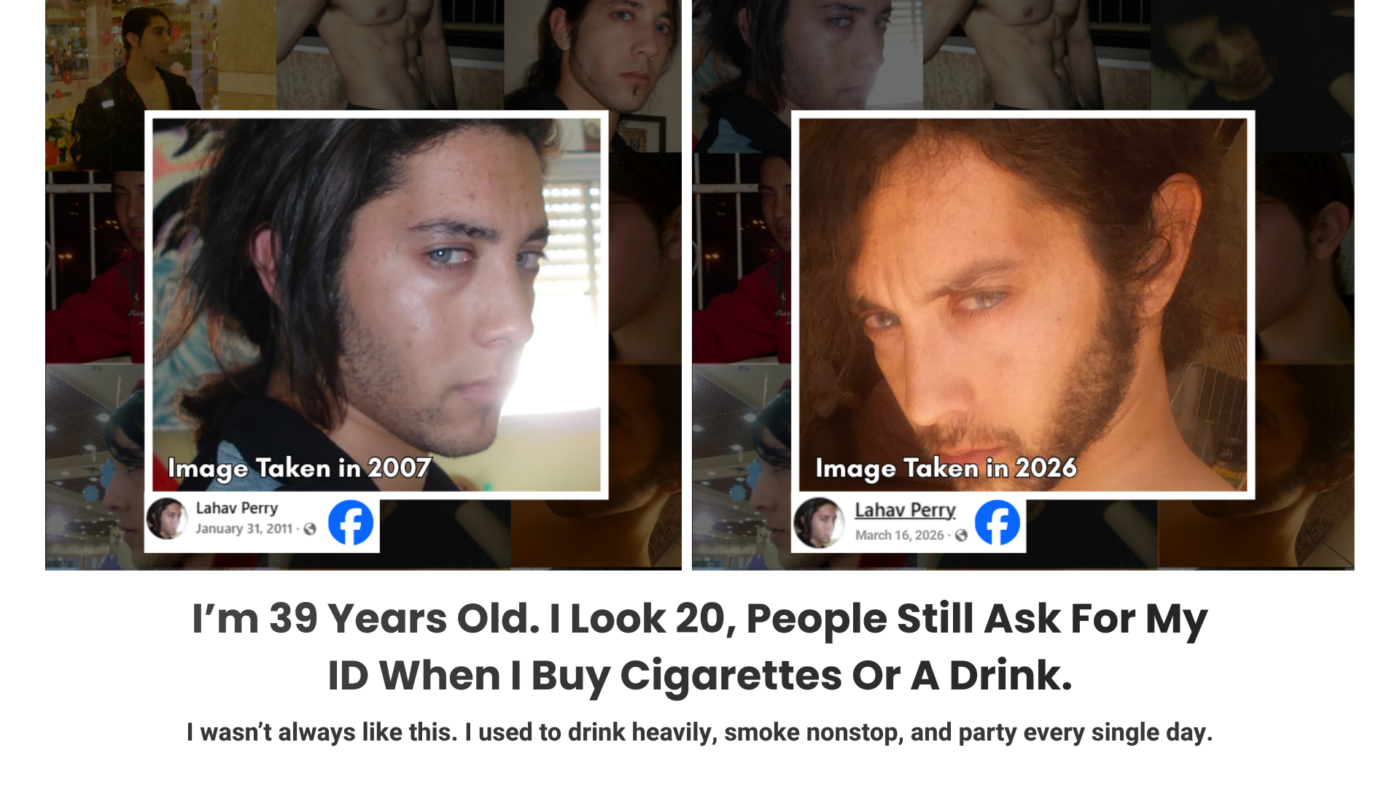
5 Foods That Can Make Your Skin Look Drier and Older
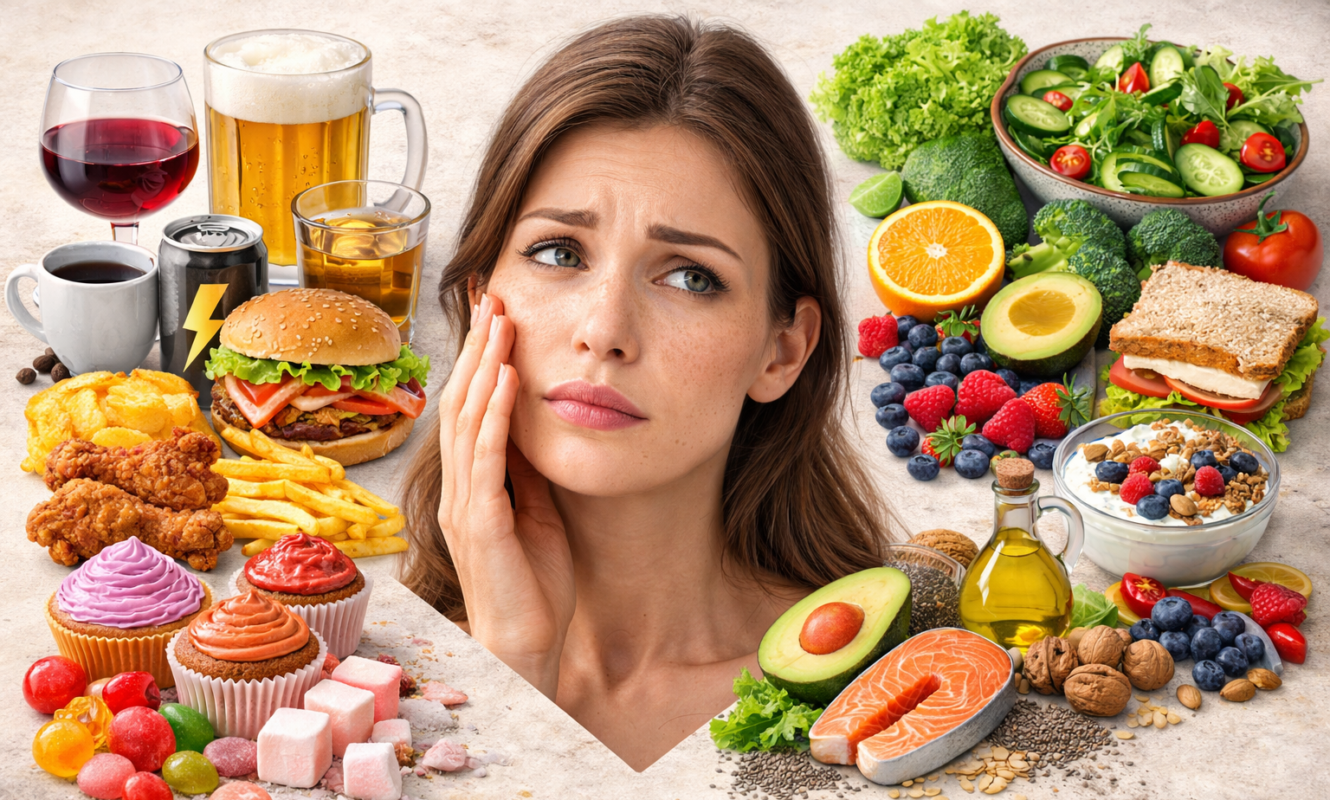
What you eat does not just affect your weight or energy levels. It can also influence how your skin looks and feels. Certain foods and drinks may contribute to dehydration, puffiness, reduced elasticity, and a duller complexion when consumed too often.
1. Alcohol
Alcohol can contribute to dehydration because it increases fluid loss. When the body loses too much water, the skin may appear less plump, less radiant, and more prone to dryness.
Over time, frequent drinking may make fine lines, dullness, and a tired-looking complexion more noticeable, especially when sleep, hydration, and nutrition are not well balanced.
Skin tip: If you drink alcohol, try balancing it with enough water throughout the day.
2. Too Much Caffeine
You do not need to give up coffee completely. For many people, moderate caffeine intake is fine. The issue usually appears when caffeine intake is high and water intake is low.
In that situation, the skin may look more dehydrated, tired, and less vibrant. This is especially true if someone relies on coffee or energy drinks and forgets to hydrate properly during the day.
Skin tip: Coffee can stay in your routine. Just make sure water stays there too.
3. Salty Processed Foods
Foods high in sodium, such as fast food, chips, processed meats, and packaged meals, can disrupt fluid balance in the body. That often shows up as puffiness, swelling, and bloating, especially around the face and under the eyes.
While sodium does not directly dry out the skin in a simple way, a high-salt diet can still make the face look tired, inflamed, and less balanced overall.
Skin tip: Reducing ultra-processed foods can help your skin look fresher and less puffy.
4. Excess Sugar
High sugar intake is strongly linked to a process called glycation. This process can damage collagen and elastin, which are the proteins that help skin stay firm, smooth, and elastic.
Over time, too much sugar may contribute to a rougher texture, reduced firmness, and earlier visible signs of aging. In simple terms, it can make the skin look older than it needs to.
Skin tip: Cutting back on added sugar may benefit both your skin and your overall health.
5. Very Low-Fat Diets
Not all fats are bad. In fact, healthy fats help support the skin barrier, which is essential for keeping moisture in and environmental stress out.
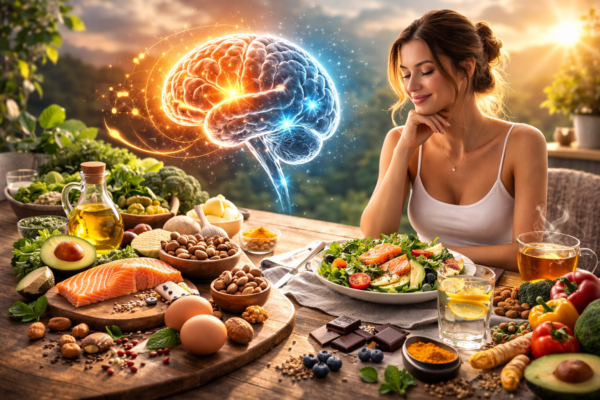
When the diet is too low in healthy fats, the skin may become drier, more reactive, and less supple. Foods such as salmon, walnuts, chia seeds, avocado, and olive oil can all support healthier-looking skin.
Skin tip: Healthy fats do not just support the heart. They also help the skin stay nourished and balanced.
Final Thought
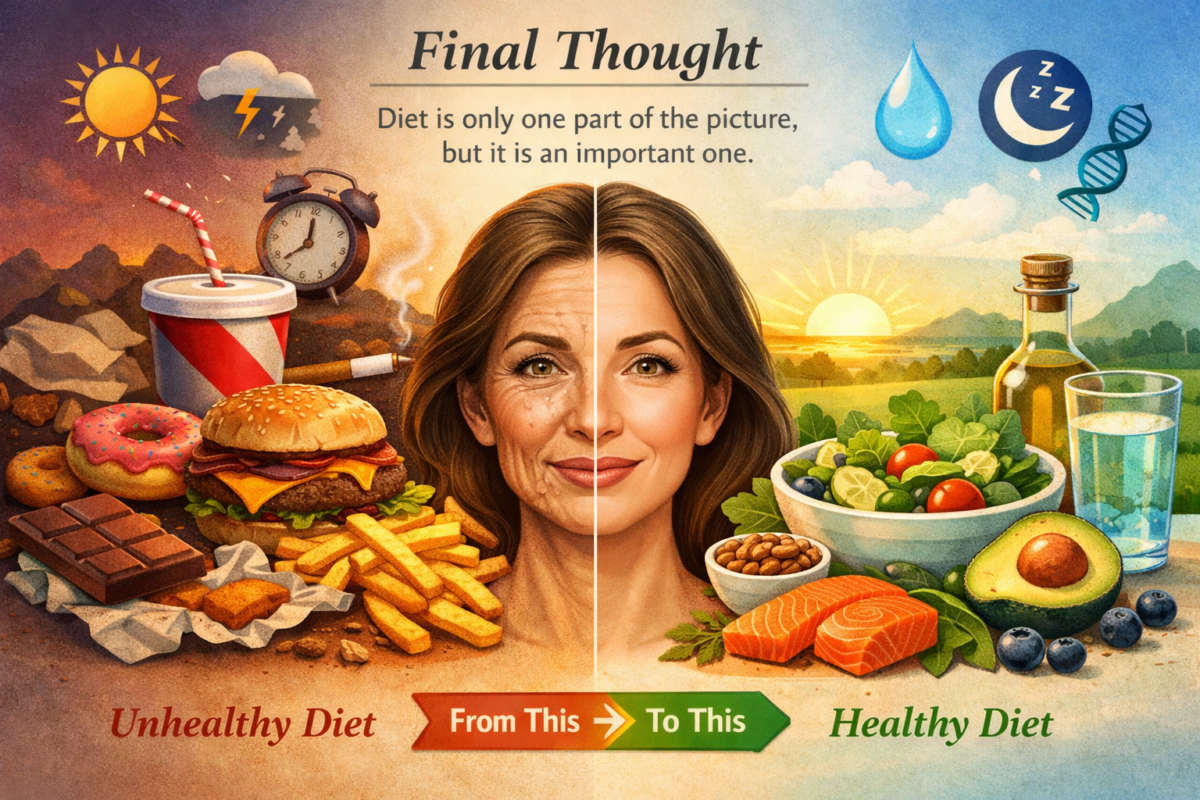
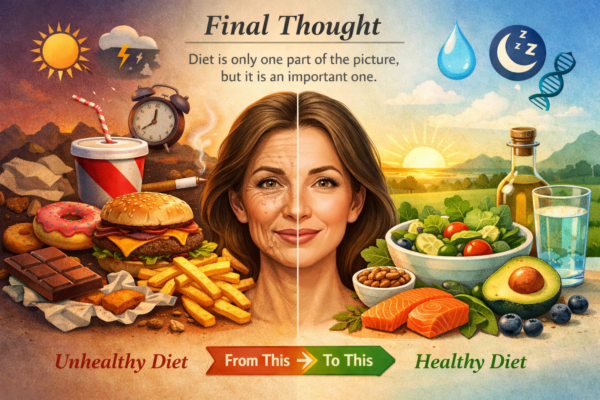
Skin aging is influenced by many factors, including sun exposure, sleep, stress, smoking, skincare habits, and genetics. Diet is only one part of the picture, but it is an important one.
A smarter eating pattern with fewer ultra-processed foods, less excess sugar, enough water, and more healthy fats can help your skin look fresher, smoother, and more balanced over time.



Aug