


DIET TO HELP WITH ANXIETY AND DEPRESSION
Certain dietary patterns may play a meaningful role in supporting mental health. While nutrition is not a replacement for medical treatment, growing research suggests that what we eat can influence brain function, mood, and overall well-being.

-
Diet may impact mood, energy, and mental clarity
-
Inflammation and metabolism play a key role in mental health
-
Ketogenic and low-carb diets show promising early results
-
Whole foods and healthy fats may support brain function
-
Simple dietary changes can make a noticeable difference
The Link Between Diet and Mental Health
We are currently facing a global rise in mental health conditions such as depression, anxiety, and mood disorders.
Research suggests that approximately 1 in 4 people will experience a psychiatric condition at some point in their lives. This has led scientists to explore new approaches beyond traditional treatments — including the role of nutrition and metabolism.
What Is Metabolic Psychiatry?
A growing field known as metabolic psychiatry explores how metabolic health affects brain function.
In recent small-scale studies, individuals with severe, treatment-resistant psychiatric conditions were placed on a ketogenic diet after failing multiple conventional treatments.
The findings showed:
-
Significant improvement in many participants
-
Some cases of partial or full remission
-
Improvements in metabolic health
While these results are promising, larger studies are still needed.
What Is a Ketogenic Diet?
A ketogenic diet is a low-carbohydrate, high-fat dietary approach.
Normally, the body uses glucose (sugar) as its main energy source. When carbohydrate intake is reduced, the body shifts to burning fat instead.
The liver converts fat into ketones, which can be used as an alternative fuel source for the brain.
Why Does Diet Affect the Brain?
1. Brain Energy Demand
The brain is one of the most energy-demanding organs, using about 20% of the body’s energy.
The type of fuel it receives may influence how efficiently it functions.
2. Mitochondrial Function
Mitochondria are responsible for producing energy in cells.
Metabolic strategies such as fasting and ketogenic diets may:
-
Improve mitochondrial efficiency
-
Support cellular repair processes
-
Enhance overall brain energy production
3. Inflammation and Mood
Chronic inflammation has been linked to:
-
Depression
-
Anxiety
-
Neurodegenerative diseases
Diet plays a major role in inflammation:
-
Processed foods and excess sugar may increase inflammation
-
Whole foods and healthy fats may help reduce it
4. Neurotransmitters
Nutrition may influence key brain chemicals such as:
-
Serotonin
-
Dopamine
These are essential for mood regulation and emotional balance.
What Should You Eat?
A brain-supportive diet can include:
-
Fatty fish (such as salmon)
-
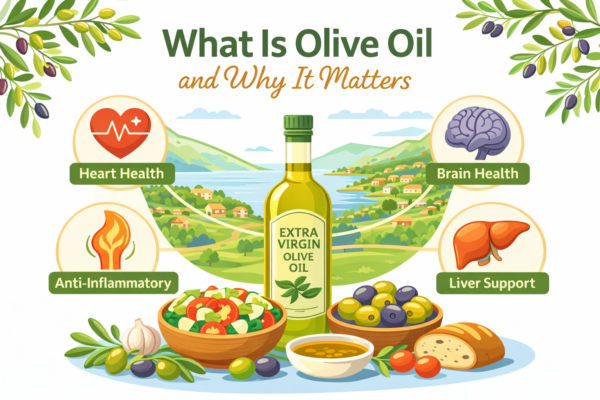
Olive oil
-
Avocado
-
Eggs
-
Leafy greens
-
Nuts and seeds
-
Vegetables like broccoli, mushrooms, and asparagus
Spices like turmeric with black pepper may also support anti-inflammatory processes.
4 Simple Steps to Start
1. Reduce Processed Foods
If a product contains many unfamiliar ingredients, it may be best to limit it.
2. Lower Sugar and Refined Carbs
Reducing sugar and white flour may help stabilize energy and mood.
3. Try Time-Restricted Eating
A simple 12:12 fasting pattern can support metabolic balance.
4. Consider a Ketogenic Diet (With Guidance)
This approach can be powerful, but should be done with professional supervision — especially for those with medical conditions.

Final Thought
The idea that nutrition can influence mental health is no longer controversial — it is increasingly supported by science.
The good news is that we likely have more control than we once thought over our mood, focus, and energy levels. The brain is one of the most energy-demanding organs in the body, and the modern Western diet often provides a type of fuel that may not optimally support its function — much like putting the wrong fuel in a high-performance machine.
The encouraging part is that many of the foundational changes are simple, accessible, and can be implemented at home. It is never too late to start making better choices.
Statistics suggest that around 25% of people will experience a psychiatric condition at some point in their lives, which highlights how important it is to raise awareness and share reliable, science-based information.
Small, consistent changes in nutrition and lifestyle may help support better mental clarity, improved energy, and overall well-being.
Stay healthy, stay curious, and take care of your mind as much as your body.
Important Disclaimer
This article is for informational purposes only and does not replace professional medical advice. If you are dealing with depression, anxiety, or any mental health condition, consult a qualified healthcare provider before making significant changes.